On this page
Auto Insurance in Kenosha, WI: Get Covered Before Your Next Drive on I‑94
If you live in Kenosha and drive I‑94/41 toward Milwaukee or across the Illinois border for work, you already know the risks that come with highway commuting, lake‑effect snow, and parking downtown or along the lakefront. Whether you’re financing a newer vehicle, helping a teen get insured before classes at Gateway Technical College, or looking for an SR‑22 filing after a suspension, choosing the right auto insurance starts with understanding what Wisconsin requires and what Kenosha driving actually demands.
This page is for Wisconsin residents who garage their vehicles in Kenosha, WI – including the surrounding ZIP codes 53140, 53142, 53143, 53144, and 53158. If you regularly cross the state line for employment or shopping, deal with snow emergencies every winter, or want more than bare-minimum car insurance coverage for a financed car, the information here is written specifically for your situations.
WisconsinAutoInsurance.com (Drivers Insurance Agency, Inc.) is an independent agency that helps Kenosha drivers compare Wisconsin auto insurance options by phone or online. As independent agents, we compare options from multiple insurance carriers, which can help some Kenosha drivers save money while finding a policy that fits their budget and coverage needs. Call (844) 317‑1313 or request a quote online to get started.
Important note: Submitting a quote request does not bind coverage. Coverage begins at the confirmed effective date and time after the insurer or authorized agent binds the policy.
Why Kenosha Drivers Work With WisconsinAutoInsurance.com
Choosing a Wisconsin-focused insurance agent who understands Kenosha commutes, winter conditions, and cross‑border driving patterns can make a real difference in how well your policy protects your family. We’re here to explain options clearly – no pressure, no jargon – so you can choose what makes sense for your household.
Why Kenosha Trusts WisconsinAutoInsurance.com
Kenosha drivers come to us because this website focuses on Wisconsin auto insurance and understand the factors that affect coverage here.
-
Independent Wisconsin auto insurance agency – we compare policies across multiple companies rather than representing a single insurer like State Farm or any other individual carrier
-
Experience with all driver profiles – whether you have a clean record, prior tickets, at‑fault accidents, coverage lapses, or need an SR‑22 filing for Wisconsin
-
Phone and web service statewide – call (844) 317‑1313 or start online; we serve Kenosha and all of Wisconsin without requiring an in‑person visit
-
Plain‑language explanations – we walk you through 25/50/10 liability, uninsured motorist coverage, MedPay, and optional add ons so you understand exactly what you’re purchasing before making a purchase
-
Guidance based on official sources – we follow published guidance from the Wisconsin Office of the Commissioner of Insurance (OCI) and Wisconsin DOT, though we are not part of either agency
What Makes Us a Good Fit for Kenosha Auto Insurance
We tailor coverage conversations to the realities Kenosha drivers face every day.
-
Local commuting insight – we understand daily traffic on I‑94/41 between Kenosha, Milwaukee, and Illinois, and we help you report realistic annual mileage and an accurate garaging address within Kenosha
-
Parking-specific guidance – we help you evaluate coverage for downtown and lakefront street parking versus suburban driveways and garages, since where your vehicle sits overnight can influence both risks and rating
-
Financed and leased vehicle support – if your lender requires collision, comprehensive, and specific deductibles, we help you review the policy against those requirements
-
SR‑22 and non‑owner coverage – we assist drivers who need proof of insurance filings or non‑owner SR‑22 policies for Wisconsin
-
Seasonal deductible conversations – we can explain the pros and cons of adjusting deductibles or coverage before winter to match your household’s budget and risk tolerance (without promising savings)
Kenosha Auto Insurance Coverage Options
Wisconsin sets minimum auto insurance requirements that every driver must meet. Many Kenosha drivers combine those state minimums with optional coverages for stronger financial protection – especially when commuting on busy highways, parking in higher-risk areas, or financing a vehicle. Details on minimum limits come from the Wisconsin OCI. Note that lender and leasing company requirements can be stricter than state minimums, particularly for newer vehicles commonly financed in Kenosha.
Wisconsin Minimum Auto Insurance Limits (What Kenosha Drivers Must Have)
Most Wisconsin drivers meet financial-responsibility requirements through insurance; limited statutory alternatives exist. Wisconsin auto policies require liability and uninsured motorist coverage. Here are the mandated minimums:
-
Bodily injury liability: $25,000 per person / $50,000 per accident
-
Property damage liability: $10,000 per accident
-
Uninsured motorist (UM) bodily injury: $25,000 per person / $50,000 per accident
Uninsured motorist bodily injury coverage is required in Wisconsin auto policies. UM helps pay for injuries to you and your passengers – or to you as a pedestrian – when the at‑fault driver has no insurance or in qualifying hit‑and‑run situations on Kenosha streets or highways, subject to policy and legal requirements.
Wisconsin insurers must also offer:
-
Underinsured motorist (UIM): minimum $50,000 per person / $100,000 per accident if purchased, but this coverage is optional and can be rejected
-
Medical Payments (MedPay): minimum $1,000 limit if purchased, but also optional and can be declined
It is essential to maintain adequate liability limits aligned with Wisconsin state minimums to protect personal assets. However, these are legal minimums, not recommendations – they often are not enough to replace or repair a vehicle or handle serious medical bills after a major accident.
Liability Coverage for Kenosha Accidents
Liability insurance includes bodily injury and property damage coverage. It pays others when you’re legally responsible for an accident in Wisconsin.
-
Bodily injury liability helps pay for the other party’s medical bills, lost wages, and certain legal costs when you cause an accident – whether it happens on I‑94, Green Bay Road, Sheridan Road, or local streets
-
Property damage liability covers repairs or replacement of other vehicles, fences, buildings, light poles, and other property you damage
Many Kenosha households consider higher limits than 25/50/10. Imagine a multi‑vehicle crash near a busy I‑94 interchange: with today’s medical costs and vehicle values, minimum limits could be exhausted quickly, leaving you personally responsible for any remaining amounts.
Collision and Comprehensive for Kenosha Vehicles
These coverages protect your own vehicle. Collision coverage pays for vehicle repairs after an accident, regardless of fault (subject to your deductible). Comprehensive coverage protects against non-collision events like theft, vandalism, fire, hail, falling ice, or hitting a deer on rural Kenosha County roads.
Collision examples in Kenosha: a fender‑bender in a downtown streetcar zone, a rear‑end collision on a slippery ramp to I‑94 in January, or sliding on ice into a guardrail along Highway 50.
Comprehensive examples: a break‑in near the lakefront, hail damage during a spring storm, or a fallen branch during a lake‑effect ice event. With Kenosha’s winter snow emergencies increasing the risk of ice and storm damage, comprehensive coverage is worth serious consideration.
Deductibles: Choosing a higher deductible may lower your premium but increases what you pay out of pocket at claim time. Some Kenosha drivers review their deductibles before severe winter weather or after paying off a vehicle loan. An insurance agent can walk through the trade‑offs for your situation.
Uninsured and Underinsured Motorist Coverage in Kenosha
UM coverage (required at 25/50 minimums) helps pay for injuries to you and your passengers when an uninsured or hit‑and‑run driver causes a crash in Kenosha or anywhere in Wisconsin.
UIM coverage is optional but worth understanding. If purchased, minimum limits are $50,000 per person / $100,000 per accident. UIM may apply when the at-fault driver’s bodily injury liability limits are lower than your UIM limits, subject to offsets and policy terms.
Medical Payments (MedPay) for Kenosha Families
Wisconsin is an at‑fault state, and Medical Payments coverage helps pay for accident-related medical expenses regardless of who caused the crash. The minimum MedPay offered is $1,000, but drivers can choose higher limits if available.
-
MedPay can help cover emergency room visits, deductibles, or copays after an accident
-
It is separate from health insurance and liability coverage and can coordinate with them
-
Common use cases for Kenosha residents include families with kids in sports, multi‑car households, and frequent I‑94 commuters who face higher exposure daily
Optional Coverages Kenosha Drivers Often Consider
Optional add ons vary by insurer, and availability can differ for policyholders depending on the insurer and policy details. Common options include:
-
Roadside assistance for breakdowns on I‑94, Highway 50, or near the Kenosha METRA station if problems happen away from home or during a commute
-
Rental car reimbursement while a collision or comprehensive claim is being handled
-
Gap coverage for drivers with loans or leases where vehicle value may be less than the remaining balance
-
Custom equipment coverage for upgraded wheels, sound systems, or accessories
-
Telematics or usage‑based programs – some drivers may qualify for discounts based on monitored driving data, but note that participation can also lead to higher rates depending on the insurer’s program and your driving habits

Special Situations for Kenosha Drivers
Kenosha’s location, weather, and commuting patterns create specific factors that can affect your car insurance coverage choices. Accurate information – garaging address, commuting patterns, annual mileage, and vehicle use type – is essential when applying for a new policy or updating an existing one.
Commuting Between Kenosha, Milwaukee, and Illinois
Many Kenosha residents commute daily by car up I‑94 toward Milwaukee or south toward Illinois for employment and shopping. Others use the METRA Union Pacific North line from the station at 5414 13th Avenue or park at Prairie Springs Park & Ride.
-
Wisconsin policies generally provide coverage when driving in other states, including Illinois – a second auto policy is not usually required just for crossing state lines
-
You still need to disclose your true Kenosha garaging address, commuting distance, and primary use when applying for coverage
-
Using the METRA station or Park & Ride lots means your car sits in a parking lot for extended periods – this information should be accurate on your policy
-
Regular cross‑border use for rideshare or delivery work in Illinois may require a conversation with your agent about special coverage, and the same applies if the vehicle is used regularly for a business
-
Moving your residence or garaging location from Kenosha to another Wisconsin city or another state should always prompt a policy review
Lakefront and Downtown Kenosha Parking
Where your vehicle sits overnight or during the workday directly affects your risk exposure. Street-parked vehicles can be exposed to vandalism, theft, or storm damage. Consider where you park when comparing comprehensive and collision coverage.
-
Comprehensive coverage is particularly important for street‑parked vehicles in these areas, especially during severe weather
-
Always disclose whether your car is usually parked in a garage, driveway, or on the street – this can affect both your rating and how claims are handled
Winter Driving, Snow Emergencies, and Your Coverage
Kenosha winters bring snow, ice, and officially declared snow emergencies. The city provides notice at least two hours before enforcement begins via local media, social media, and the city’s notification system. Review the City of Kenosha Snow Policies, Emergencies, and Notifications and always check the City of Kenosha website for the latest snow emergency procedures before parking on city streets.
-
Snow emergency parking violations can result in tickets or towing – costs that usually are not covered by auto insurance
-
Collision coverage can apply if your vehicle slides on ice and hits another car, guardrail, or pole
-
Comprehensive may respond to falling ice or tree branches. Damage from another vehicle, including a snowplow or hit-and-run driver, generally falls under collision coverage. Every claim is subject to policy terms, deductibles, and insurer decisions.
-
Many Kenosha drivers review their deductibles, rental coverage, and roadside assistance options before winter arrives
Financed and Leased Vehicles in Kenosha
Many Kenosha drivers finance or lease vehicles to commute to work or school. Lenders and leasing companies typically require collision and comprehensive with certain maximum deductibles – requirements that go beyond Wisconsin’s legal minimums.
-
State law sets the legal minimum, but lenders can require more coverage to protect their financial interest
-
Notify your agent before trading in a car, paying off a loan, or changing from a lease to ownership so your policy stays current
-
Gap coverage may be available for heavily financed vehicles where the loan balance exceeds the car’s value – availability depends on the insurer and/or lender
SR‑22 and High‑Risk Auto Insurance in Kenosha
Some Kenosha drivers are required by the Wisconsin DOT to file proof of insurance – often called an SR‑22 – after certain suspensions or violations. Based on Wisconsin DOT guidance:
-
An SR‑22 certificate is a filing from an insurer showing you carry at least the required liability coverage for Wisconsin
-
Wisconsin DOT allows insurers to submit SR‑22s electronically, and the certificate must include specific information: policy number, effective dates, insurer name, and authorized signature
-
For a driver under age 18 using proof of insurance in place of an adult sponsor, tell the agent the SR-22 is being filed “in lieu of sponsorship”
-
Not every SR‑22 situation uses the same filing period. Some drivers see three‑year references, but requirements can differ by case – always follow your personal DOT notice
-
Canceling insurance before the required filing period ends can lead to license or registration problems
We can often help Kenosha drivers find policies that include SR‑22 filings. Learn more on our SR‑22 insurance and non‑owner SR‑22 pages.
How Getting Kenosha Auto Insurance Through Us Works
The entire process is handled by phone or online. Here’s what to expect from first contact to active coverage.
Step 1: Reach Out for a Kenosha Auto Insurance Quote
Call (844) 317‑1313 or visit our quote page. Have these details ready: your Kenosha garaging address, all drivers in the household, current or past policy information, vehicles (VIN if available), and driving history including any tickets, accidents, or suspensions. Getting a quote can be done online or by phone, and you need to provide personal details for a custom quote.
Requesting a quote gives you coverage options to consider – it does not start insurance.
Step 2: Compare Coverage Options and Fine‑Tune for Kenosha Driving
An agent reviews your information and walks you through:
-
State‑minimum versus higher liability limits based on your budget and risk tolerance
-
Collision and comprehensive choices depending on vehicle age, loan or lease status, and where the vehicle is parked
-
Deductible options, UM/UIM levels, MedPay amounts, and optional coverages like roadside assistance or rental car reimbursement
-
Whether SR‑22 or non‑owner coverage is needed
Comparing quotes from multiple insurers helps identify affordable rates in Kenosha. No one is required to choose a particular option – the goal is to explain trade‑offs clearly.
Step 3: Confirm, Bind Coverage, and Stay in Touch
Once you choose a package, the insurer or authorized agent can bind coverage, giving you a confirmed effective date and time. Only at that confirmed moment does coverage begin. You’ll receive policy documents and ID cards electronically or by mail, depending on insurer options. Review documents to verify your Kenosha address, vehicles, drivers listed, and coverage limits.
Call us whenever you move, add a teen driver, change jobs or commute patterns, or replace a vehicle so the policy stays accurate.
What Affects Kenosha Car Insurance Cost and Auto Insurance Prices?
Car insurance cost varies, and no two quotes are identical. A personalized Kenosha quote is more useful than an average without matching driver, vehicle, and coverage assumptions. Compare identical liability limits, deductibles, and optional coverages across insurers; full coverage is a common phrase, not a standardized policy package. Eligibility and pricing depend on underwriting.
Each insurer weighs factors differently, but common items include:
Driver and vehicle factors:
-
Driving record – tickets, accidents, suspensions, SR‑22 requirements
-
Years licensed, age, and prior continuous insurance history
-
Vehicle year, make, model, safety features, and whether it’s financed or leased
-
Insurers in Wisconsin may factor credit history into pricing
Use and location factors:
-
Annual mileage and whether the vehicle is used mainly for commuting on I‑94, local errands, or pleasure
-
Garaging within Kenosha: street parking vs. driveway vs. garage; downtown or lakefront vs. other neighborhoods
-
Household composition – multiple drivers or vehicles
Coverage choices:
-
Liability limits beyond 25/50/10
-
Whether collision and comprehensive are included, and chosen deductibles
-
Optional features like roadside assistance, rental coverage, or higher MedPay and UM/UIM limits
For tips on staying within a budget while keeping essential protections, visit our affordable car insurance page.
Discounts and Ways Kenosha Drivers May Lower Costs
Discounts may reduce personal auto insurance rates, but they depend on insurer rules and eligibility. Not every company offers the same programs, and no discount is guaranteed.
Common discount categories include:
-
Multi‑car or multi policy discounts – bundling options may apply when you insure multiple vehicles or combine auto with homeowners insurance through the same carrier
-
Safe‑driver or claim‑free histories – maintaining a clean driving record often results in lower rates
-
Good student or driver‑education completion for teens
-
Vehicle safety features and anti‑theft devices – installing these can lead to lower rates
-
Online premium payments may qualify for discounts with some companies
-
Low mileage – drivers in Kenosha can access discounts for low mileage, safe driving, and bundling insurance policies
-
Telematics or usage‑based programs – participation may offer savings, but monitored driving data can also lead to higher rates depending on results
Comparative shopping can lead to better insurance rates for drivers with tickets or accidents. The best long‑term approach is often maintaining a clean record and paying premiums on time. Kenosha drivers can save by bundling insurance policies where eligible.
Driving, Transit, and DMV Resources for Kenosha Residents
For local reporting and fire-safety resources, use the Kenosha Police Department and Kenosha Fire Department. Call 911 for emergencies. These government departments are separate from our agency.
Understanding local driving patterns and official resources helps Kenosha drivers manage both their coverage and daily life.
Kenosha DMV Service Center
The Wisconsin DOT Kenosha Service Center is located at 4911 88th Avenue, Suite A, Kenosha, WI 53144, near Highway H and State 158. General hours are Monday–Friday, 8:30 a.m. – 4:45 p.m. (closed weekends). Hours and holiday closures can change, so check the Wisconsin DOT site for current information.
Services include licensing and ID cards, knowledge tests, vehicle titles and registrations, plates and stickers for motorcycles, trailers, RVs, and commercial vehicles. The center offers disability access and accepts cash, check, and credit/debit cards (service fee may apply). Maintaining a valid license and registration is part of staying properly insured in Wisconsin.
Getting Around Kenosha: Local Transit and Commuting Context
Kenosha sits on Lake Michigan south of Milwaukee and north of Chicago, with I-94/41 supporting regional highway commuting. Local transit includes:
-
Kenosha Transit buses centered at the Downtown Kenosha Transit Center
-
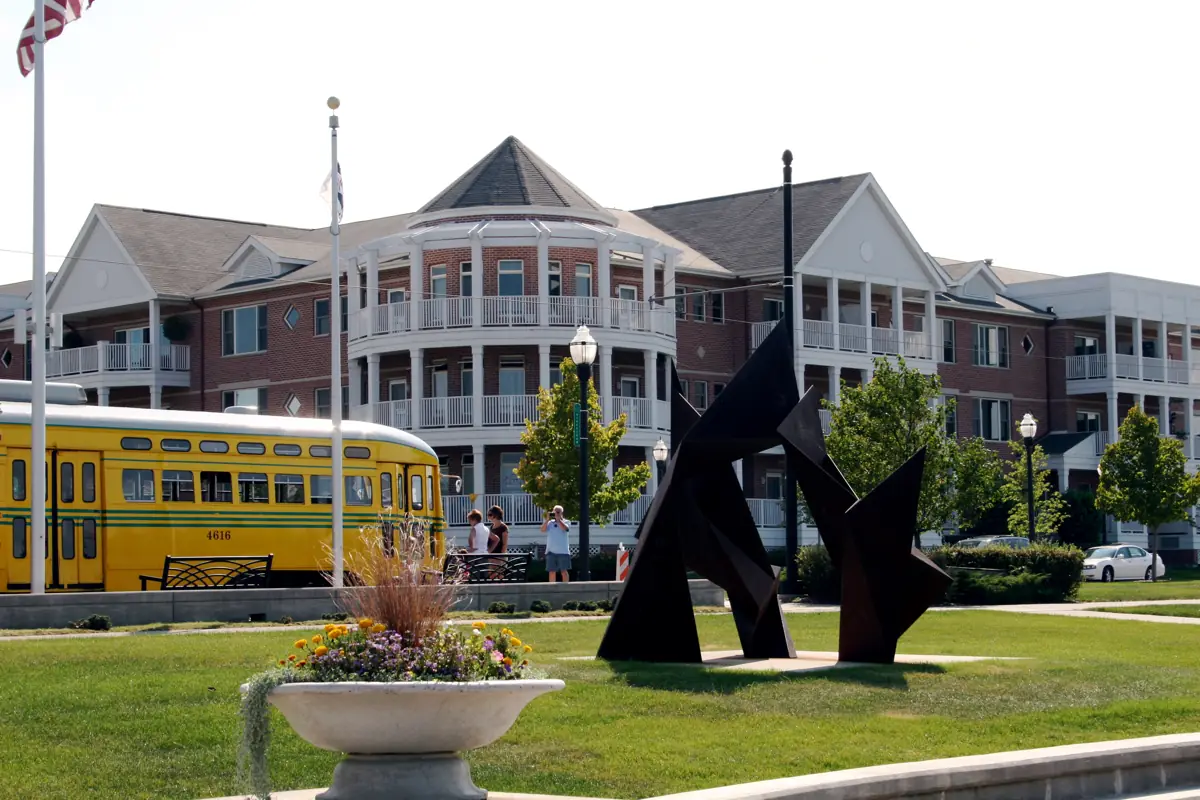
A restored electric streetcar loop and seasonal lakefront trolley serving downtown and harbor areas
-
METRA Union Pacific North line from Kenosha station at 5414 13th Avenue to Chicago, with station parking; check current parking rules and prices before traveling
-
Prairie Springs Park & Ride for carpooling and transit connections
-
Regional airport access via Kenosha Regional Airport and Milwaukee Mitchell International Airport
These transit options connect to insurance considerations: parking habits at stations and lots affect where your vehicle is at risk, and commuters should provide accurate mileage estimates when setting up their policies.
Areas We Serve Around Kenosha, WI
While policies are written for Wisconsin garaging addresses, this page focuses on the City of Kenosha and nearby Wisconsin communities.
-
City of Kenosha neighborhoods: Downtown, HarborPark area, Washington Road corridor, north side and south side residential areas
-
Nearby Kenosha County communities: Pleasant Prairie, Somers, and Bristol
We also serve drivers across Wisconsin. Explore our pages for Racine auto insurance, Milwaukee auto insurance, and other Wisconsin cities.
Frequently Asked Questions About Kenosha Auto Insurance
These FAQs address common questions Kenosha drivers ask before choosing coverage or switching insurers.
Do I need different auto insurance if I commute from Kenosha into Illinois every day?
Most Wisconsin policies automatically provide coverage when driving in other states, including Illinois. You do not typically need a second policy. However, you must carry a Wisconsin policy based on your true Kenosha garaging address and accurately describe your daily commute mileage and usage. Any rideshare or commercial use should be discussed separately, as it may require special coverage. An agent can review your cross‑border use and confirm whether your current policy is appropriate.
What happens to my insurance if I move from Kenosha to another Wisconsin city?
You must notify your agent of any change in address or garaging location. Premiums and eligible insurers may change when you move to a different city or ZIP code. Your policy may need to be updated or rewritten. While a move within Wisconsin does not require a new driver’s license immediately, check DOT rules for address‑change timelines.
Do I need to tell my insurance company about a snow emergency ticket or towing in Kenosha?
Parking tickets and towing due to snow emergency rules are typically not covered claims and generally do not need to be reported as insurance claims. However, any actual accidents, collisions, or damage to your vehicle that might lead to a claim should be reported according to your policy instructions. Check Kenosha snow emergency notifications and parking rules to avoid unexpected non‑covered costs.
Can I get Kenosha auto insurance if I’ve had a lapse in coverage or need an SR‑22?
Many insurers review lapses, violations, and SR‑22 requirements differently, so eligibility can vary. We can often help Kenosha drivers look for policies that include an SR‑22 filing when required by Wisconsin DOT. Have your DOT notice or court paperwork ready so an agent can see exact requirements, including how long the SR‑22 must be maintained. There is no guarantee of acceptance, but we offer guidance and can shop multiple companies on your behalf.
How do I choose the right deductibles for winter driving in Kenosha?
Higher deductibles usually mean you pay more out of pocket if you have a claim but may lower your premium. Lower deductibles reduce out‑of‑pocket costs at claim time but may increase what you pay monthly. Frequent winter drivers on I‑94 or local county roads may prefer a deductible they could realistically afford if they hit a deer or slide into a guardrail. Consider your savings, emergency funds, and vehicle value when setting deductibles, and revisit those choices periodically with your agent.
Will my Kenosha auto insurance cover damage if my car is broken into near the lakefront or downtown?
Comprehensive coverage is typically what covers theft or vandalism damage, if it’s part of your policy. A state‑minimum liability‑only policy generally does not cover damage to your own car from break‑ins. Every claim is subject to policy terms, deductibles, and insurer decisions. If your car is regularly parked downtown or near the lakefront, check whether comprehensive is included and at what deductible – you want to be protected against the unexpected without being caught off guard by out‑of‑pocket costs.
Get Started With Kenosha Auto Insurance Today
Kenosha drivers face unique commuting, winter, and parking conditions that make choosing the right auto insurance more than a formality. WisconsinAutoInsurance.com can help you compare options that meet Wisconsin legal requirements and fit your Kenosha household’s needs.
Call (844) 317‑1313 or request a quote online to start comparing coverage today. Remember: coverage starts at the confirmed effective date and time after the insurer or authorized agent binds the policy, and we’re ready to explain every part of your policy before you decide.
WisconsinAutoInsurance.com · Drivers Insurance Agency, Inc. · (844) 317‑1313 · Serving Kenosha and drivers across Wisconsin by phone and online.