On this page
Auto insurance for everyday driving in Waukesha, WI
If you live, garage a vehicle, or commute from the City of Waukesha, you need auto insurance that satisfies Wisconsin law and fits the way you actually drive – whether that means merging onto I‑94 toward Milwaukee every morning, parking near the Fox River downtown, running kids to school, or managing a household with multiple drivers. WisconsinAutoInsurance.com is operated by Drivers Insurance Agency, Inc., an independent agency helping Wisconsin drivers compare auto insurance in Waukesha by phone and online with no walk‑in office required.
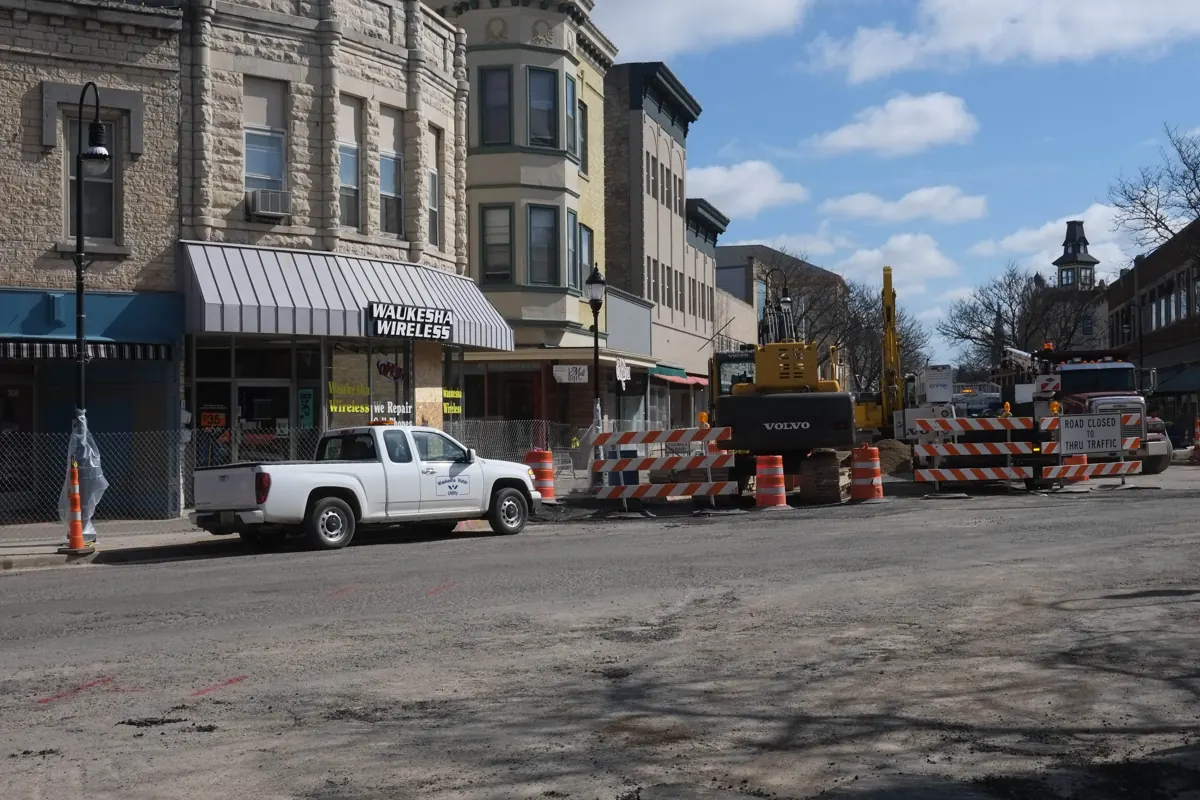

This page covers the situations Waukesha drivers ask about most: setting up a new policy, switching from another insurer, adding a teen driver to your family’s coverage, handling tickets or at‑fault accidents, or finding a policy that includes an SR‑22 filing for the DMV. Whether your insurance needs are straightforward or complicated, we’re here to help you sort through available options.
Ready to get started? Call (844) 317‑1313 or request a quote online. A quote request does not bind coverage – it simply begins the conversation.
Why Waukesha drivers choose WisconsinAutoInsurance.com
As an independent agency, we can help you compare auto insurance options from multiple carriers as you look for the best rates without pressure to pick one company. That means you get to see what’s available for your situation – not just what a single insurer wants to sell.
-
Wisconsin coverage expertise. We work with the state’s required 25/50/10 liability minimums and mandatory uninsured motorist rules every day, plus optional coverages like collision, comprehensive, MedPay, and underinsured motorist protection. Independent agencies can offer policies from various insurance carriers, giving you a broader view of what fits.
-
Experience with all kinds of drivers. Clean driving record? Great. Tickets, at‑fault accidents, or a gap in prior coverage? We help those drivers too and can search for policies that may accept their history.
-
Convenient for busy Waukesha households. Quotes by phone or online, help with documents, electronic ID cards, and remote service for policy changes from our team – no need to take time off work or fight traffic to visit an office.
-
Guidance, not just sales. We use official guidelines from the Wisconsin Office of the Commissioner of Insurance (OCI) and the Wisconsin DMV when explaining requirements, though we are not affiliated with either agency.
We compare available participating-carrier options using the same coverage assumptions so you can assess price and protection.
Waukesha auto insurance coverage explained
Understanding what each coverage does – and whether Wisconsin law requires it or it’s optional – helps you make decisions that protect your family and your finances. Below, each coverage type is explained in plain language with hypothetical Waukesha driving examples. Wisconsin requires liability auto insurance by law, but several other coverages deserve careful consideration depending on your car, your household, and your daily routes.
Wisconsin minimum auto insurance requirements for Waukesha drivers
Wisconsin law requires every auto insurance policy to include at least:
-
$25,000 bodily injury liability per person / $50,000 per accident
-
$10,000 property damage liability
-
$25,000 uninsured motorist (UM) bodily injury per person / $50,000 per accident
These are statewide requirements that apply equally whether you garage your vehicle in Waukesha, Brookfield, or anywhere else in WI. For a deeper breakdown, visit our minimum car insurance in Wisconsin page.
Keep in mind: these limits are legal minimums, not necessarily adequate protection for many households. Wisconsin’s minimum coverage may be insufficient after a serious accident, especially one involving significant medical bills or damage to newer vehicles. Some drivers also ask about umbrella coverage for liability beyond their auto policy, if available through a separate policy. Discuss higher limits with an agent in light of your assets, household drivers, budget and potential losses.
Liability coverage for Waukesha accidents
Liability insurance includes bodily injury and property damage coverage. Bodily injury coverage pays medical costs for injured parties – the other driver, their passengers, or pedestrians – when you are at fault. Property damage liability covers repair costs for damaged property belonging to others, such as their vehicle, a fence, or a building.
Liability does not pay for your own car repairs. That distinction matters if you cause a crash on Moreland Blvd, Grand Ave, or heading toward Brookfield on Bluemound Rd: your policy’s liability portion covers the other party’s losses, not yours.
Consider a hypothetical multi-vehicle accident at a busy Waukesha intersection. If two other vehicles are damaged and one driver needs emergency care, the combined cost of medical bills and vehicle repairs can easily exceed $25,000 bodily injury per person or $10,000 property damage. State minimums are often too low to cover significant medical bills after an accident. Households with multiple drivers, teen drivers, commuters on I‑94, or meaningful assets should think carefully about whether higher liability limits make sense for their situation.
Uninsured and underinsured motorist protection in Waukesha
Uninsured motorist coverage is mandatory in Wisconsin. UM bodily injury – required at minimum 25/50 – protects you and your passengers if you’re hit by a driver who carries no insurance or in a hit‑and‑run scenario. It covers medical expenses and related losses, but UM never pays for damage to your car and does not apply to deer strikes, storms, or theft.
Underinsured motorist coverage is optional but important for additional protection. If you purchase UIM, Wisconsin law sets the minimum limits at $50,000 per person / $100,000 per accident. UIM may cover eligible injury losses when the at-fault driver meets the policy definition of underinsured. Limits, offsets and other policy conditions apply; it does not automatically pay every remaining bill.
Hypothetical example: you’re stopped at a light near downtown Waukesha and rear‑ended by a driver carrying only the state minimum. Your emergency room visit, imaging, and physical therapy total far more than their $25,000 per‑person limit. UIM may help with covered losses, depending on the applicable limits, offsets and policy conditions.
Collision coverage for crash damage
Collision covers damage to your own vehicle from a covered crash, regardless of who is at fault, subject to your deductible. Collision covers damage from accidents while driving – whether you slide on an icy hill near Carroll University and hit a parked car, or get into a fender‑bender in a crowded downtown lot.
Wisconsin law does not require collision, but many vehicle lenders and lease contracts do. That’s an important distinction: legal requirements and lender requirements are two separate things. If your car is financed or leased, check your loan agreement.
Decision points for Waukesha drivers: older vehicles typically have lower comprehensive and collision costs, and on a paid‑off car with modest market value, the premium may not justify the coverage. On a newer financed vehicle essential to your I‑94 commute, collision coverage can save you from a major financial hit. Choosing a higher deductible may help some drivers enjoy a lower monthly rate, but it also means more out‑of‑pocket cost if you file a claim.
Comprehensive coverage and Waukesha weather, theft, and deer
Comprehensive generally covers damage from non‑collision events: theft, fire, vandalism, hail, falling objects, and hitting an animal such as a deer, subject to policy terms and deductibles. A covered hail loss in your driveway or a direct animal strike generally falls under comprehensive. A parked vehicle struck by another car generally involves collision or the responsible driver’s liability coverage instead.
Both collision and comprehensive cover repair bills for your own vehicle, and comprehensive and collision are often bundled together by insurers, though they respond to different types of loss. One important note: stolen personal belongings from inside a vehicle – a laptop, gym bag, tools – are typically not covered by auto insurance and may instead fall under home, renters, or house insurance depending on the carrier’s policy wording.
Lenders commonly require comprehensive when a vehicle is financed, even though Wisconsin law does not. After paying off a vehicle, review its value, your deductible and your ability to fund repairs before changing physical-damage coverage.
Medical payments (MedPay) options for Waukesha households
Wisconsin insurers must offer medical payments coverage with at least a $1,000 limit, and drivers may decline this optional coverage. MedPay helps pay medical or funeral expenses for covered occupants after a crash, regardless of who is at fault, up to the selected limit.
Simple Waukesha example: a low‑speed collision on Sunset Dr sends you to urgent care for X‑rays and a follow‑up visit. Even minor injuries can generate bills that catch you off guard. MedPay can coordinate with your health insurance to help cover copays, deductibles, or gaps – subject to the policy’s coordination provisions. Limit choices can be discussed during the quote process.
Additional options: business insurance, rental reimbursement, roadside, and more
Several optional add‑ons can make a real difference in everyday convenience and protection:
-
Rental reimbursement – Covers the cost of a rental car while yours is being repaired after a covered claim. If your vehicle is your lifeline for commuting on I‑94 or driving kids to school, this coverage keeps you moving.
-
Towing and roadside assistance – Helps with tow charges, flat tires, lockouts, and dead batteries.
-
Glass endorsements – May cover windshield repair or replacement, sometimes with reduced or waived deductibles.
-
Gap coverage – Can pay the difference between your car’s actual cash value and the remaining loan or lease balance if the vehicle is totaled.
Availability and details vary by insurer and policy. We can review what’s offered in the quotes available to you.
Auto insurance for different Waukesha driver situations
No two Waukesha drivers have the same profile. We work with commuters, families with teen drivers, retirees, and drivers dealing with violations or coverage lapses. Eligibility, pricing, and coverage options depend on the carrier and underwriting – nothing is guaranteed in advance – but here’s how we approach common situations.
Commuters on I‑94 and regional highways
Many Waukesha residents commute toward Milwaukee via I‑94 or travel regional routes like Hwy 59 and Hwy 18, with some also taking longer trips beyond the daily drive. Higher annual mileage, rush‑hour traffic exposure, and winter road conditions all factor into coverage decisions. Commuters often benefit from reviewing higher liability and UM/UIM limits, keeping collision and comprehensive active on their primary vehicle, and considering rental reimbursement so a claim doesn’t leave them without a car for work.
Families and teen drivers in Waukesha
Adding a high‑school or college driver who attends local schools or drives to a part‑time job is one of the most common questions Waukesha families bring to us. Typical concerns include the cost impact of a young driver, which vehicle to assign them, and whether to adjust liability limits. We encourage families to call and discuss ways to structure policies when multiple drivers and cars are garaged at the same Waukesha address.
Drivers with tickets, accidents, or coverage gaps
If you’ve received speeding tickets, been involved in an at‑fault accident, dealt with OWI issues, or let your prior policy lapse, finding affordable car insurance can feel overwhelming. While no specific rate or approval can be guaranteed, an independent agency can search for available policies that fit your situation. Once a new policy is in place, keeping continuous coverage is essential to avoid future gaps that could raise your rates further. Where permitted, some insurers consider credit-based insurance information; its effect varies by carrier.
SR‑22 filings for Wisconsin DMV
An SR‑22 is a certificate of financial responsibility the Wisconsin DMV may require after certain violations – it is not a separate insurance policy. Your insurer files the SR‑22 electronically with the DMV, and electronic filings are usually posted within one to two business days. The SR‑22 must remain active for the DMV‑specified period, typically three years.
Policy cancellation or nonpayment can lead to the SR‑22 being withdrawn, which may trigger additional license consequences entirely separate from buying the insurance itself. Visit our SR‑22 insurance page for more detailed information.
Non-owner auto and SR‑22 options
Non-owner auto insurance provides liability coverage for licensed drivers who don’t own a vehicle and don’t have regular access to one. These policies typically include the required UM bodily injury coverage but do not include collision or comprehensive for any vehicle you drive. Eligibility depends on vehicle ownership and regular access rules, which vary by insurer.
If you need an SR‑22 but don’t own a car, a non‑owner policy may satisfy the DMV’s filing requirement. Learn more on our non‑owner SR‑22 page.
How getting Waukesha auto insurance through us works
The entire process is handled by phone or online – no in‑person visit needed. Here’s what to expect, step by step. Coverage is not bound until confirmed by the agent and carrier; quotes are proposals, not active policies.
Step 1: Share your Waukesha driving and vehicle details
Call (844) 317‑1313 or submit a form on our quote page. We’ll ask about the drivers in your household, the Waukesha address where vehicles are garaged, vehicle VINs, current or prior coverage, any tickets or accidents, and whether you have an SR‑22 requirement letter from the DMV. This information is used to seek available options from participating insurers – no coverage is issued at this stage.
Step 2: Review coverage options and choose limits
An agent walks you through available combinations: state minimum vs. higher liability limits, collision and comprehensive deductibles, MedPay limits, UM/UIM adjustments, and optional add‑ons. We can explain how choices may affect premiums without promising specific savings or the lowest rates. Bring your questions – if you’re worried about winter crashes, a hit‑and‑run in a parking lot, or a deer strike on the edge of town, we’ll talk through how different coverages respond.
Wisconsin drivers can seek discounts for bundling auto with homeowners insurance, and homeowners or renters insurance bundles may result in multi‑policy discounts. If you carry home insurance or renters coverage, mention it so we can check whether bundling is available through any of the carriers in your quote. If your household also needs business insurance, mention that during the quote conversation so we can discuss available options separately.
Step 3: Confirm, issue, and access your ID cards
Once you choose a quote, we complete the application, the carrier runs underwriting, and upon approval and first payment, your policy effective date is confirmed. Only after carrier confirmation is coverage in force. You’ll receive electronic ID cards, proof of insurance for the DMV or lenders, and easy access to reach the agency for changes or questions later.
Local factors that affect Waukesha auto insurance decisions
Rates and eligibility are individual, but certain local realities in the Waukesha area shape coverage choices for many residents. We avoid stating specific average rates or claim frequencies – the factors below are qualitative considerations you can discuss during your quote.
Commuting on I‑94 and regional travel
Regular use of I‑94 toward Milwaukee or Madison, or frequent trips along Hwy 18 and Hwy 59, means higher annual mileage and greater exposure to highway‑speed incidents. Winter road conditions – snow, ice, and occasional black ice – add another layer of risk. Many Waukesha commuters review collision, UM/UIM, and rental reimbursement options specifically because their vehicle is essential to getting to work.
Parking and garaging in the City of Waukesha
Where and how you store your vehicle matters to insurers. Overnight street parking, downtown ramps or surface lots near the Fox River, and home driveways or garages in residential neighborhoods each carry different risk profiles. Vehicles parked on the street may face higher exposure to hit‑and‑run damage, vandalism, or storm damage compared to those kept in a garage. Drivers can check official parking rules and locations through the City of Waukesha’s municipal website for details on downtown parking areas and regulations.
Household vehicles and teen drivers
Waukesha households often manage multiple vehicles for work commutes, school, and errands. Listing all regular drivers – including any teen or college student who uses family vehicles – is essential for accurate quotes. Adding a young driver changes the coverage and limit decisions for the entire policy, and structuring things properly when vehicles are shared between spouses, partners, and teenage drivers in the same home can make a meaningful difference in both protection and cost.
Helpful Wisconsin and Waukesha resources
These official sources provide general information about insurance rules, licensing, and local services. They are separate from WisconsinAutoInsurance.com – we include them because they’re genuinely useful. Wisconsin’s Office of the Commissioner of Insurance provides resources for checking insurers, and you can verify agency licensing using the OCI as well.
Statewide insurance and DMV information
-
Wisconsin OCI Consumer Auto Guide – Overview of state minimum coverages, cancellation rules, total loss handling, and consumer rights under Wisconsin law.
-
Wisconsin DMV Proof of Insurance & SR‑22 Information – Official details on when and how the DMV requires SR‑22 filings, acceptable formats, and reinstatement procedures.
Local Waukesha public-service contacts
-
City of Waukesha Police Department – For crash reporting procedures, non‑emergency contact information, and traffic updates, visit the department’s page on the City of Waukesha website.
-
City of Waukesha Fire Department – Emergency preparedness and safety tips related to vehicle accidents and roadside emergencies.
-
Wisconsin DMV Service Center Locator – Waukesha County has DMV service locations for registration, licensing, and title services. Search the DOT site for the nearest office.
If you’re involved in a crash, follow police and DMV guidance for reports and documentation, then contact your insurer or agent promptly.
Nearby communities we also help
While this page focuses on the City of Waukesha, we serve many nearby communities by phone and online. No local walk‑in office is implied – our service is remote for all areas across Wisconsin.
Brookfield auto insurance
Many drivers travel regularly between Waukesha and Brookfield for work, shopping, or school. If you live or garage vehicles in Brookfield, we can help with your coverage needs. Visit our Brookfield auto insurance page for more.
New Berlin auto insurance
New Berlin households often have ties to Waukesha through jobs, family visits, and daily errands. We serve New Berlin, WI drivers by phone and online – learn more on our New Berlin auto insurance page.
You can also explore all the communities we serve through our cities page.
Frequently asked questions about Waukesha auto insurance
Before you call, these FAQs address the questions Waukesha drivers ask most often. If you don’t find your answer here, we’re happy to handle it over the phone.
What auto insurance coverages are legally required to drive in Waukesha?
Wisconsin requires liability coverage of at least $25,000 bodily injury per person / $50,000 per accident and $10,000 property damage (25/50/10), plus uninsured motorist bodily injury at 25/50. Collision and comprehensive are not required by state law but are commonly required by lenders. MedPay and UIM are optional coverages. These same requirements apply everywhere in WI – there is no Waukesha‑specific rule.
How much Waukesha auto insurance do I actually need beyond the minimum?
That depends on your household’s assets, income, number of drivers, the type and value of your vehicles, and how far you commute. Many families consider higher liability limits and matching or higher UM/UIM limits, especially with teen drivers or frequent highway use. Rather than assuming the minimums are sufficient, call us to review scenarios specific to your situation and find coverage that fits. Some households also compare higher liability with umbrella protection through a separate policy when they want more than auto limits alone provide, if available.
Can you help if I need an SR‑22 in Wisconsin but live in Waukesha?
Yes – we can help many Waukesha drivers find policies that include an SR‑22 filing, subject to carrier approval and eligibility. The SR‑22 is a DMV form filed by the insurer, and requirements like the filing length come from the DMV, not from our agency. For more details, visit our SR‑22 insurance page and the official DMV proof‑of‑insurance page linked above.
Do you offer non-owner auto insurance for Waukesha residents without a car?
In some cases, we can help quote non‑owner policies for qualified Waukesha drivers who do not own a vehicle and do not have regular access to one. Non‑owner policies generally provide liability and required UM, but not collision or comprehensive coverage for any vehicle. Visit our non‑owner SR‑22 page for more background before calling.
How are Waukesha auto insurance premiums determined?
Common rating factors include driving record, claims history, vehicle type and age, garaging address, annual mileage, selected coverages and deductibles, and sometimes credit‑based insurance scores where allowed by Wisconsin law. Each insurer uses its own approved rating plan, so no specific rate, savings, or price comparison can be promised in advance. Local agents can compare options across multiple carriers to help drivers look for affordable coverage and the best rates for their situation, while seeing how these factors play out from one company to another. Request a personalized quote rather than relying on general averages you find online.
When does my coverage actually start?
Coverage begins at the effective date and time confirmed by the authorized agent or insurer, subject to applicable binding and payment requirements. Filling out a quote form or discussing options over the phone does not create an active policy. If you need coverage by a specific date – for example, before picking up a car from a Waukesha dealership or resolving a DMV issue – mention that early in the quote process so we can work toward your timeline.
Get started with Waukesha auto insurance today
Whether you’re looking for compliant Wisconsin coverage at an affordable price, want help comparing options from multiple carriers, or need guidance tailored to Waukesha driving and garaging realities, we’re ready to help. The process is easy – call or go online, review your options with an agent who understands Wisconsin law, and get the protection your household needs.
Call (844) 317‑1313 or request your Waukesha auto insurance quote today. We’re grateful for the opportunity to help Waukesha drivers and the broader Waukesha community find coverage that works.
WisconsinAutoInsurance.com · Drivers Insurance Agency, Inc. · (844) 317‑1313 · Serving drivers in the City of Waukesha and throughout Wisconsin by phone and online.
Looking for coverage in another area? Explore our Wisconsin cities page to find your community.